Webinars are pretty handy for anyone in the AI space looking to connect with potential buyers or clients.
Trust is a major factor, especially with complex topics like artificial intelligence.
Relying only on blog posts or digital ads often doesn’t work when your audience is craving more interaction, live examples, or the chance to get their tricky questions answered in real time.
That’s exactly where webinars shine.
Why Webinars Are Worth Using for AI Professionals
AI professionals face some unique challenges.
Products and solutions are often complicated, and buyers can easily feel overwhelmed or even a little bit skeptical.
There’s lots of hype around AI, so your audience probably wants proof and clarity before taking out their wallet.
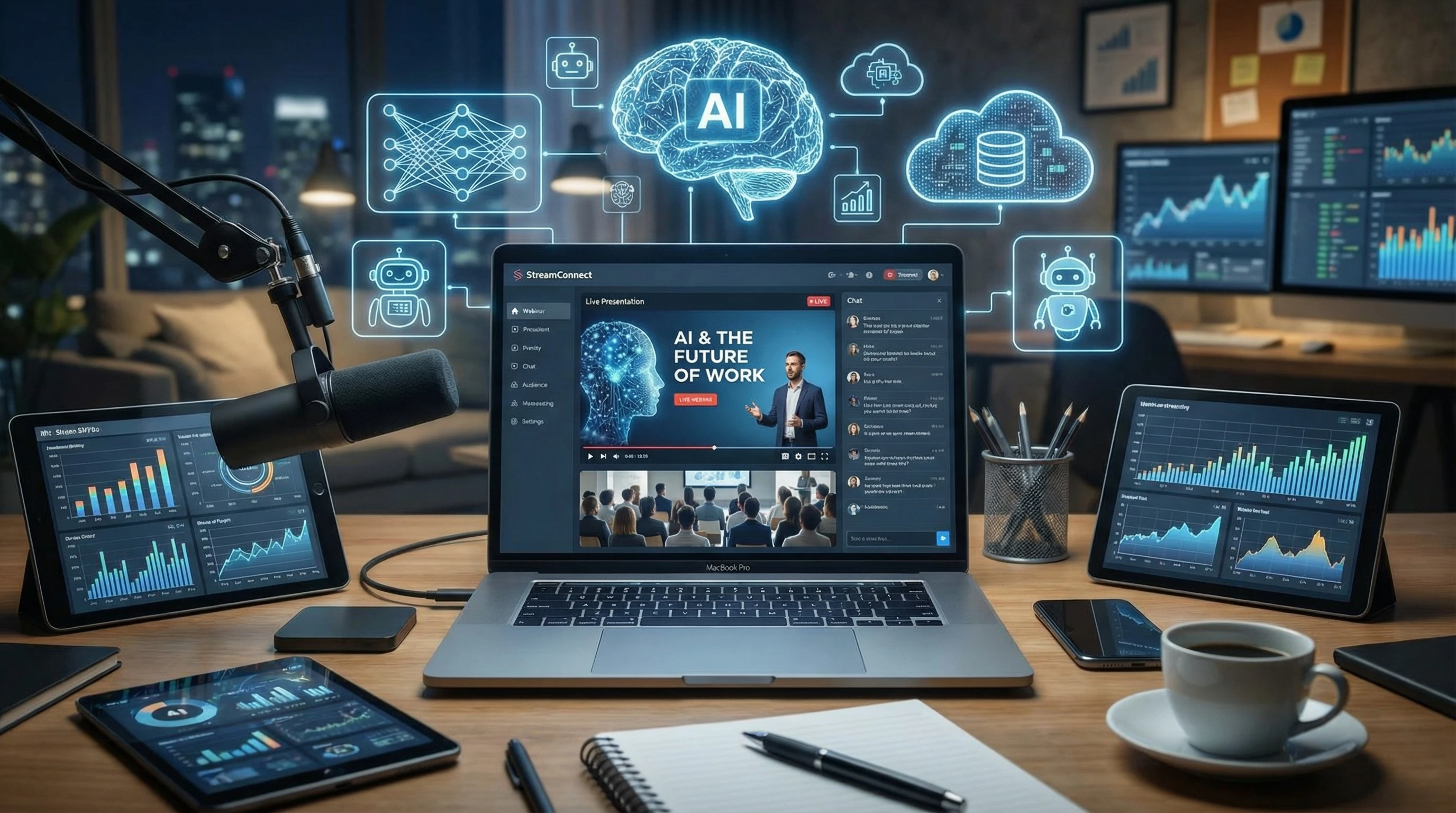
In my experience, webinars bridge this gap by creating an environment where buyers can actually see your product in action and get clear insights directly from you, not a faceless brand or static web page.
Compared to traditional content like blog posts or digital ads, webinars do a better job at breaking down complex topics and making a real human connection.
That connection is priceless in high-trust industries where buyers are investing big time and money.
Webinars can also shorten the back and forth it sometimes takes to convert an interested visitor into a paying client.
When buyers leave a session feeling confident and knowledgeable, they’re much more likely to move forward quickly.
Understanding the AI Buyer’s Adventure: What Makes It Different?
AI buyers usually have a longer process before making a decision.
Unlike grabbing a simple SaaS tool or eBook, investing in AI tools, systems, or consulting services feels a lot riskier, so buyers want education up front.
I often see three main pain points pop up:
- Lack of clarity: The benefits and use cases of AI are still pretty new for lots of industries, so buyers aren’t always sure how it fits their needs.
- Fear of complexity: Integrating AI can seem overwhelming, with worries about setup, technical requirements, and ongoing management.
- ROI questions: Potential buyers always ask: how much will this cost, and will it really deliver the promised value?
Webinars can help at every part of the funnel:
- Awareness: Webinars put your expertise in front of buyers early, often helping warm up cold traffic with real value.
- Consideration: As buyers compare options, a good webinar can answer their tough questions and show your solution in action.
- Decision: For those on the fence, live discussions and demos build confidence and nudge them forward.
Why Webinars Really Work in the AI Industry
AI isn’t something you can just explain in a quick blog post.
People want to see things working live, hear stories, get their questions answered, and see the faces behind the brand.
Here’s where webinars come in handy:
High-Trust Environment for Complex Solutions
AI solutions carry some weight, and buyers look for someone who can clearly explain things.
Webinars create an authentic, interactive setting where you can earn that trust face to face, even if it’s virtual.
Real-Time Demonstrations of AI Use Cases
Instead of just talking about features, you can walk people through an AI tool or run a live demo.
Showing off use cases in action makes a huge difference for people who learn by seeing, not just reading.
Authority Building Through Teaching
Teaching builds way more authority than selling. When you share authentic knowledge in a webinar, buyers start seeing you as an expert, which matters a ton in AI.
Two-Way Communication
Q&A sessions, polls, and live chat let your audience raise concerns or ask questions that might be stopping their buying decision.
These moments create trust and keep everyone involved.
Types of Webinars AI Professionals Can Use
- Educational webinars: Focus on a pain point and guide attendees through understanding the problem. For example, “Why Most AI Projects Fail (and How to Avoid It)”
- Demo webinars: Walk through your solution step by step and show how it solves specific problems live on screen.
- Case study webinars: Present real results from happy customers. Share their success stories, numbers, and takeaways to inspire confidence.
- Training workshops and masterclasses: Go deeper with hands-on learning sessions. These are great for community building.
- Panel discussions and expert interviews: Bring in guest experts to weigh in on hot AI topics. It adds credibility and draws bigger crowds.

Planning a Webinar Strategy That Gets Results
Defining the Right Goal
Get clear on your main goal for running the session.
Are you aiming to collect leads?
Drive direct sales?
Grow your authority? Or maybe promote an affiliate offer in the AI space?
Each goal shapes everything from your content to your follow-up plans.
Picking the Perfect Webinar Topic
Topics that speak directly to pain points or roadblocks usually attract more engaged attendees.
For example, instead of “How Our AI Tool Works,” try “How to Automate Tedious Data Entry with AI (Live Demo & Q&A).”
You can also build webinars around frequent questions you hear from your DMs, comment sections, or customer support emails—these are real concerns waiting for solutions.
Attracting the Right Audience
I often work with both cold and warm traffic.
For cold audiences, promote your webinar through SEO targeting (“best AI webinar for marketing”), sponsored posts, or partner email lists.
For warm leads, use your email list, blog, or even LinkedIn posts. The channel matters less than getting your messaging just right for the people you want at the session.
Creating Content That Builds Trust (and Conversions)
Structuring the Webinar Presentation
- Grab attention with a hook. Open with a real-world example or stat that’s highly relevant to your attendees.
- Make the problem clear. Lay out the challenge your target buyer is facing.
- Teach honestly. Share insights that immediately help, whether they buy from you or not.
- Show your solution. Move easily from teaching into a hands-on demo or live example.
- Offer gently. Invite interested attendees to take the next step. Book a consult, try a demo, or access a special offer.
Teaching First, Selling Second
Nothing turns an audience off faster than a pushy sales pitch.
The goal is to become the go-to guide, not just a salesperson.
Clear examples and honest teaching let your expertise sell itself, so when you do introduce your offer, it feels natural, not forced.
Handling Questions and Building Confidence
Questions from attendees usually mean they’re on the verge of buying but need reassurance.
Addressing tough objections live, without the hype, shows you know your stuff and care about getting them results.
Sharing honest case studies and even failures (and what you learned) builds real credibility.
Using Webinars for Lead Generation
- Registration pages: A good landing page should say clearly what the attendee will learn and what they’ll get out of the session. Keep the signup short and simple.
- Lead magnets vs webinar only access: Sometimes, offering a small giveaway just for signing up (like an AI checklist or cheat sheet) can drive more signups, while other times, access to the live workshop is the main incentive.
- Email reminders and follow-ups: Remind people about the webinar before and after. Send tailored emails with extra info or a recording link later on.
- Segmenting attendees: Track who showed up and who didn’t. You can send different follow-ups, offers, or resources to each group for better results.
Turning Webinar Attendees into Buyers, Ethically
- Post-webinar email sequences: Use personalized follow-up emails based on what people asked or discussed in the session. This keeps your communication targeted, not generic.
- Limited-time offers: A short-term offer or bonus can get people to act, with less pressure than heavy sales tactics.
- Using replays as assets: Not everyone can attend live. Sending replays lets more people see the value and keeps the funnel running anytime.
- Natural affiliate recommendations: Weaving in affiliate solutions that fit your audience’s needs works best when you already have their trust, not before.
Affiliate Marketers and AI: Using Webinars to Build Trust Before Promoting
Affiliate marketing in the AI niche is a tough gig if people don’t trust you first.
Webinars are gold for this: you teach, qualify, and then recommend.
Instead of just dropping an affiliate link, you can educate genuinely, help people decide what solution is best for them, and then show platforms or tools that fit—like structured learning programs if that’s what your audience really needs.
Here’s how I usually use webinars as an affiliate marketer in AI:
- Demo the tool rather than just reviewing it
- Teach a workflow that solves a common pain point using the tool
- Answer questions about pricing, use cases, limitations, and alternatives
- Recommend a structured learning platform or resource only if it fits the group’s skill level
Webinar Tools and Platforms That Make Life Easy
- Webinar hosting: Options like Zoom, Demio, WebinarNinja, or Crowdcast make broadcasting simple even for beginners.
- Email marketing: Tools such as ConvertKit, MailerLite, or ActiveCampaign help organize reminders and follow-ups.
- Landing pages: Drag-and-drop builders like Leadpages or Unbounce are very friendly for signups.
- Analytics: Tracking signups, attendance, and interaction will help you improve over time.
- Allinone ecosystems: Some platforms offer webinar, email, and landing pages under one roof, which can be very helpful if you’re just starting out.
Webinar Mistakes That AI Pros Should Skip
- Too much tech talk, not enough practical use cases
- Selling too much, especially right away
- Forgetting to follow up after the event
- No clear action step for attendees
- Running a single webinar but not building a system or funnel
All of these can stall your results, confuse your audience, or cause you to burn leads who might have become clients with a better approach.
Measuring Webinar Success (It’s More Than Just Attendance)
Headcount isn’t the only thing to track. Here’s what I watch:
- Engagement metrics: Are people asking questions, staying for the full session, and joining in polls?
- Conversions: Are attendees booking calls, downloading resources, or taking that next step?
- Email responses: Do people reply to follow-up emails with real interest or extra questions?
- Long-term trust: Are more people coming back for your next session or telling friends about you?
Scaling Webinars for Steady Affiliate and AI Income
Here’s the thing about webinars: you don’t have to run them live every time.
Evergreen webinars (automated replays) let you reach more people without always being in front of the camera.
You can turn one great session into blog posts, YouTube videos, email series, and even new lead magnets.
Pick the format that fits your schedule and your audience best, and focus on the value of the replay as much as the experience of the live event.
Webinars as a Strategic Asset for AI Professionals
Webinars shine brightest when they’re used as part of a bigger approach, not as a one-time marketing trick.
When you link webinars with your blog, email list, social presence, and affiliate recommendations, you’re building a more trustworthy and sturdy business.
Don’t just aim for shortcuts—aim for skill building.
Learn how to run stronger webinars, measure your wins, and keep improving each time around.
If you want to really take things up a notch, check out structured affiliate programs and digital education platforms to boost both your income and your confidence.
Frequently Asked Questions
Here are some common things people want to know before starting webinars for AI sales and affiliate marketing:
Are webinars effective for selling AI services?
Webinars are one of the top channels for building trust and giving buyers confidence in hightech areas like AI. They’re great for both qualifying leads and converting sales, especially when compared to static content.
Do AI professionals need a large audience to run webinars?
No. Even small audiences (10 to 20 people) can produce strong results, as long as they’re engaged, targeted, and genuinely interested in the topic.
Can beginners use webinars in affiliate marketing?
Absolutely. With the right tools and clear messaging, anyone can run a simple live session, teach their audience, and recommend solutions they trust.
Are webinars better than video courses for conversions?
Video courses are valuable, but webinars offer real-time interaction and urgency. People are more likely to act quickly when they can get their personal questions addressed live.
Conclusion: Turning Webinars into Long-Term Growth Assets
Webinars aren’t just a sales tactic for AI professionals—they’re a trust accelerator.
When you use them to educate first, demonstrate real-world use cases, and engage honestly with questions, you shorten the decision cycle and build credibility that blog posts or ads alone can’t achieve.
The real power shows up when webinars become part of a repeatable system: content → education → trust → action.
Whether you’re selling AI services, promoting tools as an affiliate, or building a long-term personal brand, webinars give you a scalable way to connect deeply with the right people—without resorting to hype or aggressive selling.
If you’re serious about using webinars to generate qualified leads, grow authority, and monetize ethically, the next step isn’t just “running more webinars.”
It’s learning how to build the entire ecosystem around them—from traffic and email follow-ups to affiliate recommendations that actually convert.
If you want to learn how to build traffic, email sequences, webinar funnels, and affiliate monetization from one place, I recommend starting with a beginner-friendly affiliate training platform that includes hosting, community, and step-by-step guidance.
What I really appreciate about this post is how it shows webinars as more than just a sales tactic, but a way to build trust and simplify complex ideas in a space where people often feel skeptical. The reminder to teach first and sell second really resonates with me, because that’s the kind of approach that feels authentic and sustainable.
I’m curious, when setting up a webinar that isn’t live (such as an evergreen or automated replay), what strategies do you find most effective for keeping the audience engaged, so it still feels interactive and personal?
Hi Celia,
Thank you so much for your thoughtful comment.
I am happy the idea of teaching first and selling second resonated with you. In my experience, that is what builds genuine trust and long-term relationships.
People are much more likely to engage with someone who focuses on helping them solve a problem before asking for a sale.
That is a great question about evergreen webinars.
While they are not live, there are several ways to make them feel much more personal and engaging.
I like to include prompts that encourage viewers to pause and think about how the information applies to their own situation, use storytelling and real-world examples to keep the content relatable, and address common questions throughout the presentation as though I am speaking directly to the viewer.
A clear workbook or checklist can also keep people actively involved instead of just passively watching.
It is also helpful to provide an easy way for viewers to ask questions afterward, whether through email, a contact form, or a community.
That follow-up interaction helps bridge the gap between an automated presentation and a live experience, showing people there is a real person behind the webinar who is available to help.
Thanks again for your insightful comment and excellent question.
I appreciate you taking the time to share your thoughts, and I wish you every success if you decide to create an evergreen webinar of your own!
All the best,
Raymond