
Affiliate marketing has become a familiar term in the world of online business, and for good reason.
It is a simple yet powerful way to earn money by recommending products or services you do not even need to create or ship yourself.
If you have ever clicked a product link in a blog or a YouTube description, there is a good chance you have seen affiliate marketing in action.
So what is it, and how does it actually work?
What Affiliate Marketing Is and How It Works
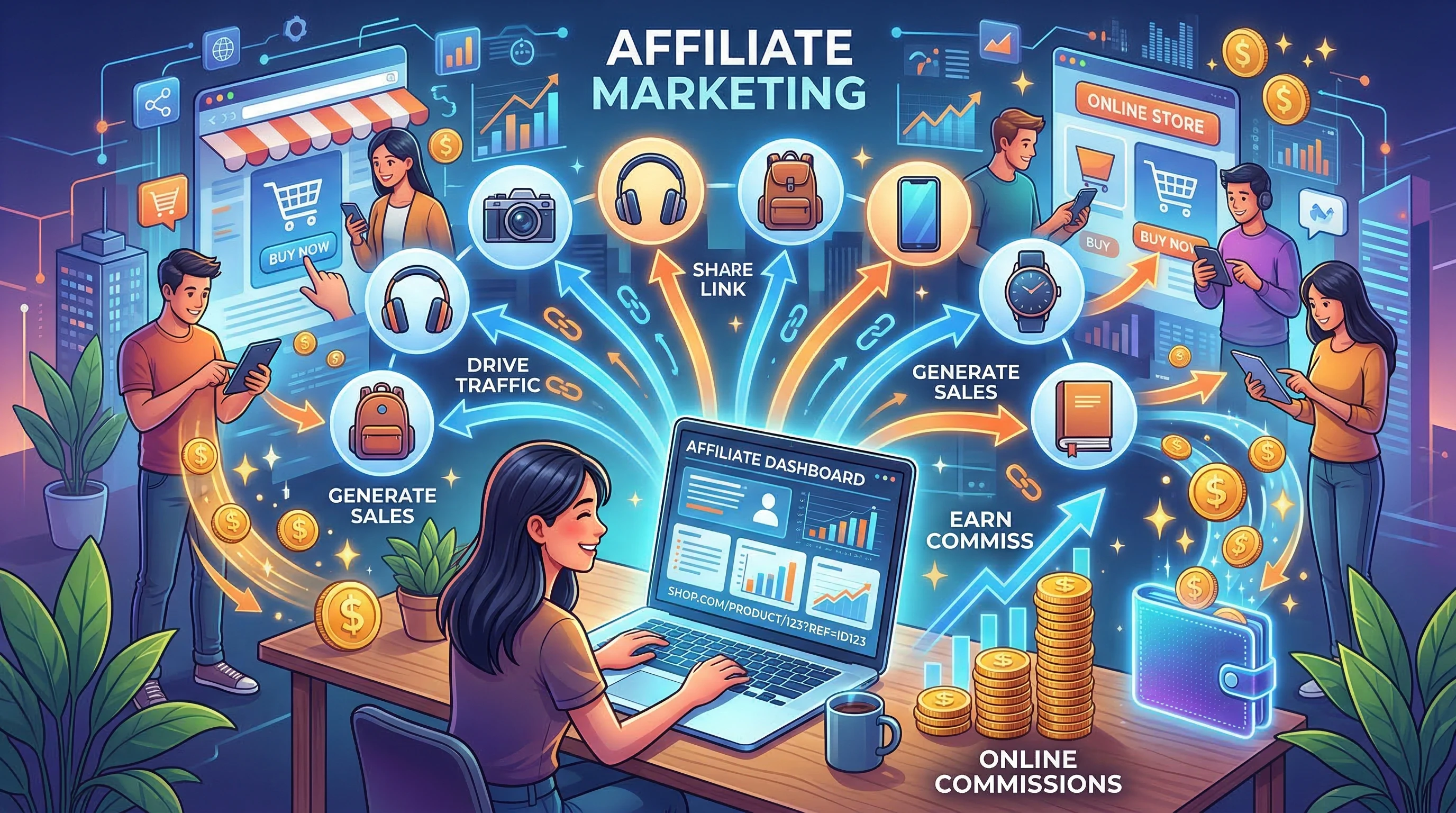
Affiliate marketing is a business model where I, as an affiliate, earn commissions by promoting someone else’s product or service.
I join an affiliate program, get a special tracking link, and share that link through my website, social channels, or email list.
When someone makes a purchase using my unique link, I earn a small commission on that sale.
I don’t have to handle inventory, shipping, or customer service; my job involves connecting the right customers with the right products.
This idea works through a clear, trackable process.
give out unique links, known as affiliate links, that monitor who refers buyers. These links help ensure commissions get tracked correctly.
Affiliate marketers then share these links in their content; think blog posts, YouTube videos, newsletters, or even social media.
When someone clicks the link and buys the product, the affiliate gets a cut.
It is a business model that is grown massively in the age of content creators and online entrepreneurship.
Many people stumble upon affiliate marketing through searching for online side hustles or reading about passive income opportunities.
It continues to grow with the rise of influencers, niche blogging, and people working from anywhere.
Why Affiliate Marketing Has Become So Popular
I’ve noticed affiliate marketing is not only for tech experts or seasoned marketers anymore.
Thanks to how easy it is to join, it attracts people from all backgrounds. Here is why so many people are checking it out:
- Low Startup Cost: There is usually no need to spend a lot to get going. You can start with a blog, a YouTube channel, or even just a busy social feed.
- No Need to Create or Stock Products: I just promote what is already out there, meaning no headaches over inventory or manufacturing.
- Work from Anywhere: Affiliate marketing fits easily into a flexible lifestyle, whether I am working part-time or putting in full effort.
Affiliate marketing is a big piece of the “creator economy.”
Instead of building products, creators build trust and value. They recommend useful products to their audiences and earn a share of sales.
It is a win-win for everyone involved.
Audiences also enjoy following content creators who honestly recommend tools, gadgets, or services they use and trust.

The Four Key Players in Affiliate Marketing
This business model works because four main groups work together.
Here is how each one fits in:
The Merchant (Product Owner)
This is the company or entrepreneur that creates the actual product or service.
It could be a big online retailer, a software developer, or even an individual with an ebook.
Merchants want more customers, so they partner with affiliates to reach new audiences.
The Affiliate (Publisher)
This is where I, or anyone else promoting the product, come in.
Affiliates are bloggers, YouTubers, influencers, and anyone else who recommends products in exchange for a commission.
I focus on sharing products that fit my audience’s needs.
The Customer
Customers are the final link in the chain; people who follow a recommendation and make a purchase through an affiliate link.
They usually do not pay anything extra, but their purchase triggers the affiliate commission system.
The Affiliate Network or Platform
To make sure everyone gets paid, affiliate networks step in.
These platforms manage affiliate programs, generate tracking links, and handle payment processing.
Networks like ShareASale, CJ Affiliate, and Amazon Associates are a few examples.
Some companies run their own programs without a network.
How Affiliate Marketing Works Step by Step
- The affiliate signs up for an affiliate program. I pick a program that fits my niche, maybe a software company, an online retailer, or a course platform, and register.
- I receive unique tracking links. These are special web addresses that tell the company who sent each customer.
- I create content to promote the product. This could be a blog review, a how-to video, or even an Instagram post.
- A visitor clicks my affiliate link. This click is tracked through cookies, little bits of code that tell the merchant I sent the visitor.
- The customer purchases the product. If the sale is made within the cookie window (which can range from a day to several months), I get credit.
- I earn a commission. Commissions usually show up on the affiliate dashboard, and payouts happen on a regular schedule.
Cookies and Tracking Explained: Cookies are tiny text files stored on visitors’ browsers.
When someone clicks my affiliate link, the cookie tags that visitor as my referral.
If they buy something within the tracking period, the system knows to send me a commission.
Tracking links and cookies keep things fair for everyone.
It is how merchants know who deserves the payout.
Cookie durations can vary, so it’s important to check the terms of each affiliate program.
Some companies offer 24-hour cookies, while others may give affiliates a window of up to 90 days.
Types of Affiliate Marketing
- Unattached Affiliate Marketing: This is the most handsoff type. I just drop links without building a personal connection with the audience. Usually, this is done through ads or payperclick (PPC) campaigns.
- Related Affiliate Marketing: Here, I promote products that fit with my niche or area of influence. For example, a travel blogger might recommend hotel booking sites or luggage brands.
- Involved Affiliate Marketing: This is the route that works best for most people long-term. I only promote products I use, trust, and can vouch for. My recommendations feel authentic, and trust is much higher.
Involved affiliate marketing is the most sustainable approach because people can tell when a recommendation is genuine.
Building trust and credibility keeps audiences coming back for more tips and reviews.
Many successful marketers say focusing on involved content is how they built loyal audiences and grew their income over time.
Where Affiliate Marketers Promote Products
- Blogs and Niche Websites: I write reviews, tutorials, or listicles and weave affiliate links into useful content.
- Social Media: Instagram stories, TikTok videos, Facebook groups, and Twitter threads all work for affiliate recommendations.
- YouTube Content: Product demos, unboxings, and honest reviews with affiliate links in the video description.
- Email Lists: Newsletters featuring curated product picks or special offers support ongoing affiliate promotions.
- Online Communities: Some people share recommendations in forums or discussion boards (as long as it follows the rules).
Sharing products through content builds strong, ongoing trust between me and my readers.
When people see I am recommending useful things and not just spamming links, they are more likely to buy.
Consistency and a focus on value help keep the relationship solid.
Examples of Affiliate Marketing in Action
- A Blogger Recommending Marketing Tools: Suppose I run a digital marketing blog. I write a roundup of the “Best Email Marketing Tools for Beginners.” I include affiliate links to each software discussed. When readers sign up using my link, I get a commission.
- A YouTuber Reviewing Software: On a tech channel, I review a new video editing tool and include my affiliate link in the description. If a viewer buys after watching, I get paid.
- A Niche Website on Camping Gear: If I run a camping site, I write reviews and guides on the best tents, backpacks, and stoves. Each recommended product includes an affiliate link. Purchases made through those links earn me a cut.
Affiliate links act as my referral badge.

Each sale made using those links increases my earnings and shows the company that I am driving results.
There are even affiliate marketers who specialize in comparing subscription services or monthly boxes, all through honest reviews and detailed comparisons.
Benefits of Affiliate Marketing for Beginners
- Low Startup Costs: I often start with just a website and a good content plan; no warehouse required.
- No Product Creation: I’m able to focus on recommendations and avoid the complications of manufacturing or logistics.
- Passive Income Potential: Older content keeps generating commissions as long as people are clicking my links.
- Scalability: As my audience grows, so do my earnings. I can add new products and expand into new niches.
- Flexible Schedule: I choose when and where I work. Affiliate marketing fits around other jobs or personal obligations, making it really appealing for side hustlers and digital nomads.
Another key benefit is that many affiliate programs are free to join, so barriers to entry are low.
Even students, work-from-home parents, and retirees can get started.
Building trust with an audience can eventually lead to other opportunities, such as coaching or launching your own products, based on what you learn through affiliate marketing.
Challenges and Misconceptions About Affiliate Marketing
- It’s Not a Get-Rich-Quick Scheme: Making consistent income takes real work. Building an audience, publishing honest content, and earning trust often takes time.
- Content Creation is Key: Regular posts, videos, or updates are needed to keep audiences engaged.
- Traffic and Trust Take Time: Getting noticed takes effort, and so does standing out in a crowded niche.
- Competition Exists: Some niches are packed with pros. Careful research helps newcomers find unique angles.
Success comes from treating affiliate marketing like a real business.
Patience, learning, and genuine value go a long way. It is easy to get discouraged early on, but those who stick to sharing quality content while building relationships tend to see results in the long run.
The biggest misconception is that affiliate marketing is quick and easy. In reality, it requires learning the right skills—from SEO to content strategy—which is why proper training and community support make such a big difference.
How Beginners Can Get Started with Affiliate Marketing
- Pick a Niche: I choose something I know and care about (fitness, tech, home gardening).
- Build a Website or Content Platform: Creating a blog is still one of the top ways to earn long-term. Video channels or social accounts work too.
- Create Helpful Content: Quality guides, product comparisons, and reviews bring in people looking to make buying decisions.
- Join Affiliate Programs: After I have some content, I sign up with Amazon Associates, ShareASale, or specific company programs.
- Drive Traffic & Grow Audience: I use SEO, social sharing, guest posts, and sometimes paid ads to get more eyes on my content.
Steady effort, along with a bit of patience, helps those first affiliate sales start rolling in.
Over time, you can refine your process, keep testing new types of content, and double down on what works best for your audience.
Getting started sounds simple on paper, but many beginners quickly realize there are a lot of moving parts—choosing a niche, building a website, learning SEO, and understanding how affiliate links actually convert.
That’s why many beginners choose to follow a structured training platform instead of trying to figure everything out alone.
Tools and Platforms for Beginners: Finding Your Way
Getting started can feel confusing, so I often recommend all-in-one platforms that offer training, website builders, and a supportive community.
Platforms like Wealthy Affiliate give beginners the structure and support they need to:
- Learn SEO basics so more people stumble upon their content
- Build professionallooking affiliate sites or blogs with stepbystep guides
- Master the ins and outs of affiliate tracking, link placement, and analytics
- Connect with mentors and a community of fellow learners
Picking an ecosystem like this takes away a lot of guesswork and avoids mistakes that can sideline beginners.
There is a reason so many now famous affiliates started in communities full of training and support.
Besides Wealthy Affiliate, other educational options and content creation tools can help you set up and track your progress.
Tools for finding trending keywords, free graphics, and easy email automation are all widely available today.
Instead of juggling different tools and tutorials, platforms like Wealthy Affiliate bring everything into one place—training, website building, keyword research, and community support—making it much easier for beginners to get traction
Common Beginner Mistakes in Affiliate Marketing
- Picking Overcrowded Niches: Going up against giant competitors without a unique angle makes things tough.
- Promoting Too Many Products: Spreading myself too thin means nothing gets the attention (or audience trust) it deserves.
- Ignoring Trust: Chasing quick sales instead of building a real relationship with my audience can backfire fast.
- Expecting Immediate Results: This is a business marathon, not a sprint.
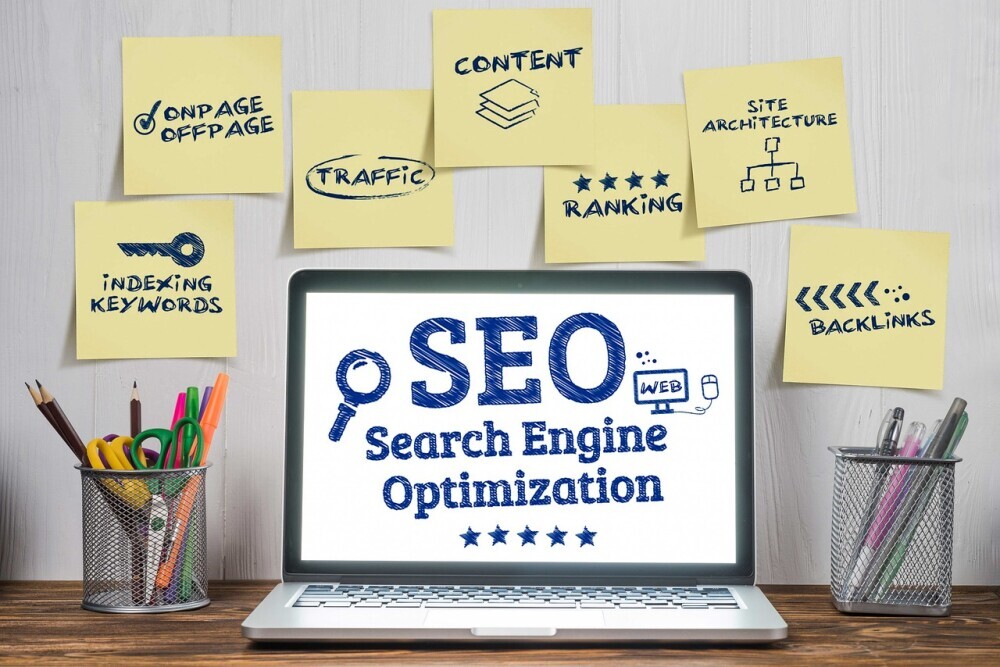
- Snubbing Content Strategy and SEO: Good content with smart optimization performs way better over the long haul.
Focusing on one strong niche, a few great products, and building trust helps beginners break through more quickly.
Learning about SEO, connecting with an audience in comments or emails, and updating old content are smart steps to stay ahead.
Many of these mistakes come from not having clear guidance or a proven roadmap. Beginners who follow structured training tend to avoid these early pitfalls and progress much faster.
Is Affiliate Marketing Worth It Today?
Affiliate marketing continues to be a solid option as the online creator economy grows.
Companies want authentic recommendations, and more people look to honest reviews and trusted voices before buying.
There is plenty of opportunity when you approach it with genuine value and continue adapting to changes in digital marketing.
What works best now is trust-driven affiliate content; sharing helpful, honest info that helps someone stumble upon or make the right purchase.
As new technology and social platforms crop up, affiliate marketing grows as well.
Fresh angles, emerging product categories, and changing consumer habits all present openings for newcomers and veterans alike.
The opportunity is still huge—but those who succeed are the ones who invest time in learning how the system actually works and apply it consistently.
Frequently Asked Questions
Is affiliate marketing beginner-friendly?
Affiliate marketing works well for beginners, especially if you commit to learning and avoid shortcuts. Most people can start with very little investment and focus on topics they already enjoy.
How much can beginners earn with affiliate marketing?
Earnings vary a lot. Some make a few dollars a month at first, while others build steady income as their content gains traffic. Consistency makes a big difference over time.
Do you need a website for affiliate marketing?
You don’t always need a website, but it’s super helpful for long-term success. Social media, YouTube, and email lists can also work if you build trust and offer value.
How long does it take to make money with affiliate marketing?
It varies, but most beginners see their first commissions after a few months of regular content creation and trafficbuilding. Quick results are rare, but steady, quality content pays off gradually. Sticking with it, learning from your analytics, and being open to feedback help you improve and grow earnings over time.
Final Thoughts: Why Affiliate Marketing Stays Popular
Affiliate marketing works best when I focus on helping people solve problems or make smarter choices.
Instead of selling just for commissions, I look for ways my content genuinely benefits readers or viewers.
With consistency, care, and the right training, affiliate marketing can become a flexible, long-lasting online business that keeps rewarding those who provide honest value.
If you are interested in getting started, it makes sense to check out a system that teaches ethical affiliate marketing and supports you step by step.
It is the kind of adventure that pays off for those who are in it for the long term.
Building relationships, sharing knowledge, and growing your platform will help you stand out as a trusted voice in the field.
You can find more tips in related articles like Effective communication in affiliate marketing, Keyword research techniques for affiliate sites, How to leverage social media for affiliate marketing, and Turning blog readers into affiliate customers.
If you’re serious about getting started with affiliate marketing, the fastest way to avoid confusion and costly mistakes is to follow a proven system instead of figuring everything out alone.
👉 You can start learning affiliate marketing step by step here !!!
It walks you through everything—from choosing a niche and building your website to getting traffic and earning your first commissions.
You don’t need to be an expert—you just need the right guidance and consistency.
Here’s a little transparency: Our website contains affiliate links. This means if you click and make a purchase, we may receive a small commission. Don’t worry, there’s no extra cost to you. It’s a simple way you can support our mission to bring you quality content.”
I really enjoyed how clearly this post breaks down affiliate marketing and explains the whole process from joining a program to earning commissions. It feels like a great guide for someone new to the concept, especially the part about how unique tracking links help ensure affiliates are credited when someone makes a purchase. The explanation of why this model has become so popular in the creator economy was insightful as well, and it makes the idea much less intimidating for beginners. I’m curious, do you think there are specific types of content platforms (like blogs versus social media) that tend to perform better for affiliates just starting out?
Hi Hanna,
Glad the tracking link + process breakdown made it feel less intimidating.
That “aha” moment when you realize it is just a digital referral system is huge for beginners
.Short answer: Yes, the platform matters a lot — and for beginners, blogs have a real edge.
Here is why:Blogs vs Social Media for New Affiliates
1. Blogs / SEO Content
Why it is easier to start with:Intent is built-in: Someone Googling “best budget tripod for beginners” is already looking to buy.
You are answering a question they have right now.Compounds over time: A post you write today can bring traffic and commissions for 2-3 years.
One TikTok dies in 48 hours.
You own it: Algorithms change. Google updates hurt, but you can fix it. If Instagram nukes your reach, you’re starting over.Tracking works cleanly: People click your link and buy 3 days later.
The cookie still catches it.
Best for: “Best X for Y,” “how to” guides, comparisons, problem-solving posts. Think “problem → Google → buy.
”2. Social Media: YouTube, TikTok, Instagram
Why it is harder for beginners:Low intent, high reach: People are scrolling for entertainment, not to buy. Conversions are lower unless you have trust + audience.Algorithm-dependent: One update and your views can drop 70% overnight.
No control.Tracking is messy: Links in bios, link stickers, “link in comments” lose people. Fewer clicks get tracked.Fast decay: Great video today, invisible tomorrow.Where it wins: Short-form is great for building trust fast and for products you can demo visually. “Watch me unbox/test this” works well for gadgets, beauty, pet products.
3. Email + Newsletter
Underrated for beginners: Small list of 500 engaged subscribers beats 50k TikTok followers for affiliate revenue.
My take for 2026: Start with a blog if you want stability.
Use short-form video to drive traffic to those posts.
That way you get the fast reach of social + the compounding income of SEO.
Social gets you attention. Blogs get you income you can predict.
That is why most affiliates who do this full-time have a site as the hub, even if they are famous on TikTok.
Question for you: Do you enjoy writing more, or are you more of a video/talking-to-camera person?
Best regards,
Raymond