
Affiliate marketing in 2026 is experiencing a smart, personal, and trust-focused switch up.
The main trends shaking up the industry include AI-guided content, building genuine trust with actual experiences, collecting and using first party data, and leaning heavily into video, especially short-form content.
These days, successful affiliates are moving past generic promotions and instead work hard to match audience needs with value-driven, relatable advice grounded in their own experiences.
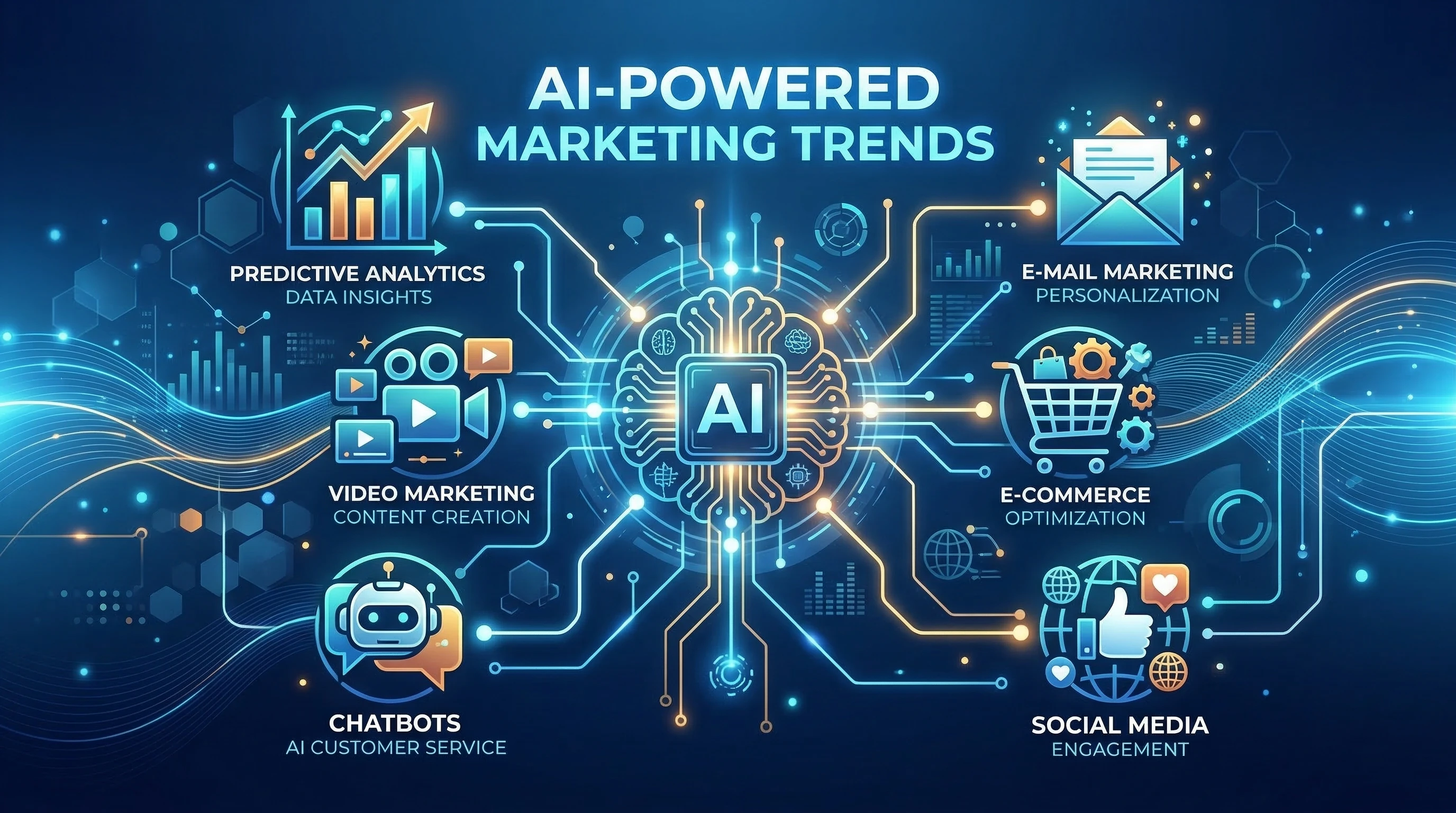
Why Affiliate Marketing Strategies Are Evolving in 2026
The affiliate world is more competitive than ever.
With more people creating affiliate sites, it is harder to stand out.
Search engines, especially Google, keep getting smarter about pushing thin content down the rankings and boosting sites that actually add value for users.
People searching online have also caught on and are less likely to trust clickbait or generic product lists.
On top of that, the recent explosion of AI-powered tools is changing how creators scale and optimize their business.
While these tools provide exciting new ways to grow, they raise the bar for originality and relevance.
Adapting to these changes is no longer a nice option; it is a must for steady growth.
With so many changes happening at once—AI, SEO updates, and shifting audience behavior—it can be hard to know what to focus on first.
That is where structured training platforms can help simplify the process and keep you on track.
Trend #1: AI-Guided Content and Smarter Strategies
AI affects nearly every part of an affiliate’s workflow these days.
Research tools powered by AI make finding keywords, tracking trends, and checking out new affiliate products way faster.
Writing content with AI can be helpful, but relying too much on templates or mass-generated articles is risky.
I have found mixing AI speed with personal expertise results in posts that are efficient and genuinely get readers what they need.
Search engines usually pick up on robotic, low-value writing, so adding personal perspective and editing is still critical.
AI also helps with things like A/B testing, breaking audiences into smart groups, and making helpful recommendations.
It is worth digging into tools that automate emails and personalize messages based on user`s interests—just be careful not to slide into spam.
Learning how to balance AI efficiency with human insight is becoming a key skill—and it is something many affiliates are now learning through guided training instead of trial and error.
Trend #2: Trust, Experience, and Real-Life Insights
Google and other search engines now shine a light on content written from actual experience.
Real-life product trials, user stories, and behind-the-scenes comparisons are winning over generic reviews.
Personal stories—even sharing what did not work for me—tend to build more loyalty than recycled product specs.
Being open about affiliate relationships, giving context, and pointing out drawbacks alongside benefits goes a long way.
These extra touches—such as including behind-the-scenes details or being honest about failures—make reviews much more useful and add credibility with audiences.
Trend #3: First Party Data and Building Your Own List
Privacy changes and the steady drop in third party cookies are making affiliate marketing a game of direct relationships.
When someone else controls the data, it is much harder to track conversions or say the right thing at the right time.
Building up an email list or community is now a must.
I focus on collecting emails through free resources or sign-up forms and keep my list engaged with targeted offers and fresh content.
This kind of ownership lets me personalize my approach because I can see who’s interested in what.
Segmentation—breaking your list into smaller groups based on interests or actions—boosts how often people open and click e-mails.
I have gotten better conversions by sending different information to different segments instead of bombarding everyone with a single pitch.
Building and managing an email list effectively takes more than just collecting addresses—it requires understanding segmentation, automation, and content strategy.

Trend #4: Video and Short-Form Content Everywhere
Platforms like YouTube, TikTok, and Instagram Reels have become massive engines for affiliate sales.
Video reviews let viewers spot recommendations in action and build trust quickly, especially when you get personal and actually put products to the test on camera.
Short-form videos, usually under a minute, hook people at the top of the funnel or give quick updates.
Re-purposing longer videos into bite-sized snippets helps squeeze more value from your efforts and invites viewers to dig into your main content or affiliate offers.
Using video in blog posts or emails is now a staple move, making every channel support each other instead of acting on its own.
Trend #5: Personalization and Smart Segmentation
Being specific is now the name of the game.
Affiliates who spot what their readers care about—using analytics, surveys, or good old-fashioned feedback—can fine-tune their recommendations.
Segmenting by actions, such as clicks or topics, means you send offers and advice that actually matter.
I use tags in my email provider to keep tabs on what my subscribers like, so they only get what truly interests them.
This approach keeps my emails relevant and avoids turning into noise.
Trend #6: Playing to Micro-niches and Building Authority
Covering every product or topic is a losing battle these days.
I have realized it is smarter to zero in on a super-specific corner of the market, especially ones I use myself, whether it is niche tech gear or a unique lifestyle.
Narrowing the focus helps my recommendations feel genuine and stand out from the crowd.
If you are just kicking things off, going deep instead of wide makes it easier to rank and grow a loyal audience.
Over time, brands within these micro-niches may reach out directly, offering better deals and higher rates as you demonstrate real influence.
Trend #7: Content Clusters and Ecosystems, Not Just One-Off Posts
SEO in 2026 is all about building helpful, inter-connected clusters of content instead of relying on single posts to do the heavy lifting.
I build out pillar articles that act as gateways, linking to more focused, related topics around them.
This brings everything a reader might need into one place and encourages them to keep exploring my site.
Staying current by updating clusters, answering new questions, or adding extra details keeps rankings strong.
Internal links are key—I always make sure new content links back to my main guides and connects to sibling articles so visitors find everything easily and stick around.
Trend #8: Transparent, Ethical, and Honest Affiliate Approaches
There is no room for hiding affiliate links or stretching the truth about products anymore.
Both readers and search engines now reward sites that are upfront.
Clear disclosures, straightforward pros and cons, and honest language go a long way.
When I review a product, I spell out both the upsides and the real limitations or who it is not for.
This straightforward approach cuts down on complaints, builds lasting loyalty, and avoids issues with misleading claims.
Most importantly, it creates an audience that trusts what I have to say and sticks around for more than just quick answers.

How to Adjust Your Affiliate Strategy for 2026
Blending real-world experience with helpful, detailed content sets strong affiliates apart.
A few strategies that have worked for me:
- Prioritize helpful content: Share firsthand product uses, real demonstrations, and results—not just what is on the box.
- Build real connections: Rely on newsletters or communities to keep the audience engaged, even if organic search traffic slows.
- Mix channels: Combine search, social, and email, so your audience is not limited by changes in any single platform.
- Play the long game: Invest in resources, tools, or evergreen content that draws people back for years rather than chasing short-term hits.
Common Mistakes That Hold Affiliates Back in 2026
- Relying too much on outdated SEO: Tricks that once worked are now more likely to get you demoted than promoted.
- Letting AI run wild: Producing bland or repetitive content without personal input hurts both rankings and audience trust.
- Neglecting trust: Skipping disclosures or writing rushed reviews quickly erodes long-term audience relationships.
- Chasing every shiny new trend: Jumping into every fad rarely builds a stable brand or voice.
- Thinking only in the short-term: Ignoring community-building and focusing solely on quick sales undermines sustainable earnings.
Tools and Platforms That Help Modern Affiliates
Staying ahead now means putting the right mix of tech and training to work.
I’ve tested apps and platforms for everything from building websites to SEO training and content planning.
Several allinone affiliate hubs coach you through research, site structuring, and even automated e-mails.
For anyone looking for both guidance and efficiency, these solutions are a valuable time saver.
Look for tools and platforms that provide:
- All-in-one SEO and research training
- Simple website and funnel builders
- Editorial calendars and content outlines powered by fresh data
- Built-in directories of affiliate programs and dashboards for tracking performance
Wealthy Affiliate, for example, is a great resource for both newbies and seasoned marketers who want to keep up with the latest industry twists, learn smarter approaches, and grow a business that goes the distance.

What is Next for Affiliate Marketing After 2026?
Looking beyond 2026, it is clear that AI-assisted content, smarter audience targeting, and strong trust-building are not slowing down.
Competition will stay fierce, especially in bigger fields, but those who offer real insight and steady value will keep winning.
There is plenty of room for affiliates who focus on fresh microniches or tight knit communities that crave first-hand experience over endless generic recommendations.
Keeping Up in Affiliate Marketing
While trends are useful guides, true success in affiliate marketing boils down to persistence and a willingness to learn.
Adapting and improving as new tech or platforms emerge gives you the edge when building real, steady online earnings.
Dedicating a bit of time to structured training, a supportive community, and solid tools makes this ride less bumpy, especially when the scene keeps switching up.
Frequently Asked Questions
What are the latest trends in affiliate marketing?
Key trends include a surge in AI-driven content, focus on trust and firsthand experience, increased reliance on first party data, and explosive growth of video and short-form content on major platforms.
Is affiliate marketing still profitable in 2026?
Yes, affiliate marketing remains a strong way to make money online. The tactics are changing, but anyone focusing on expertise and building lasting audience connections still has lots of opportunities.
How can beginners adapt to new affiliate strategies?
Start with a focused niche, use platforms that guide you step-by-step, and earn audience trust through original content and honest intent. Collect emails early and lead with true value before asking for the sale.
Will AI replace affiliate marketers?
AI is powerful for speeding up research, writing, and automating repetitive tasks. However, it can’t replace genuine personal insight. Affiliate marketers who use AI for the rote work and spend their time adding human touches are the ones racing ahead.
Related Reading
- Secrets to outranking competitors in affiliate marketing
- How to become an effective affiliate marketer
- Keyword research techniques for affiliate sites
- How to leverage social media for affiliate marketing
Conclusion: The Affiliates Who Win in 2026 Build Systems, Not Just Content
Affiliate marketing in 2026 is no longer about shortcuts, hacks, or flooding the internet with generic content.
It’s about building trust, using smarter tools, and creating systems that connect with real people over time.
The biggest shift isn’t just AI or video—it is the move toward authenticity, personalization, and long-term relationships.
Affiliates who combine real experience with smart strategies—like e-mail segmentation, content clusters, and ethical promotion—are the ones building sustainable income streams.
What stands out most is this:-
The gap between struggling affiliates and successful ones is no longer effort—it is structure and direction.
Want to stay ahead of these affiliate marketing trends instead of trying to catch up later?
The fastest way to adapt is to follow a system that already teaches modern strategies—AI-assisted content, SEO, email marketing, and trust-based promotion—all in one place.
👉 You can start learning these strategies step by step here (free to join)
It is especially useful if you want to build a future-proof affiliate business instead of chasing trends that fade.
Here’s a little transparency: Our website contains affiliate links. This means if you click and make a purchase, we may receive a small commission. Don’t worry, there’s no extra cost to you. It’s a simple way you can support our mission to bring you quality content.”
This breakdown of emerging affiliate marketing trends for 2026 is incredibly insightful. I love how you highlight the shift toward authenticity, community‑driven content, and long‑term trust—those are the exact areas where creators can truly stand out. It’s encouraging to see the industry moving away from quick wins and toward deeper, values‑aligned partnerships. I’m curious which of these trends you think will have the biggest impact on smaller creators who are just starting to build their audience.
Hi Kiersti,
I am so glad this resonated — “values-aligned partnerships” over quick wins is the whole shift.
For small creators starting now, the biggest 2026 trend is: Community + Owned Audience.Big creators have reach. Small creators can have relationships. 100 people you know by name will out-earn 10k strangers.
Reply to every direct message. Start an email list at 50 followers, not 5,000.
Specificity beats scale.
AI and new platforms are tools. Without trust, they just broadcast 0% CVR to more people. With trust, even 100 true fans = real business.
The algorithm in 2026 rewards “does this feel like a real rec from someone I trust?”
Small creators win that.
What niche are you building?
Best regards,
Raymond