
Keyword research is my go-to move when I am building out affiliate content for niche markets.
For affiliate sites, keyword research is not just about chasing search volume.
It is about uncovering low-competition keywords buyers are actually searching for, and then creating content that gives those people the answers or solutions they are actively seeking.
When you get it right, you attract readers who are much more likely to click your links and trust your recommendations.
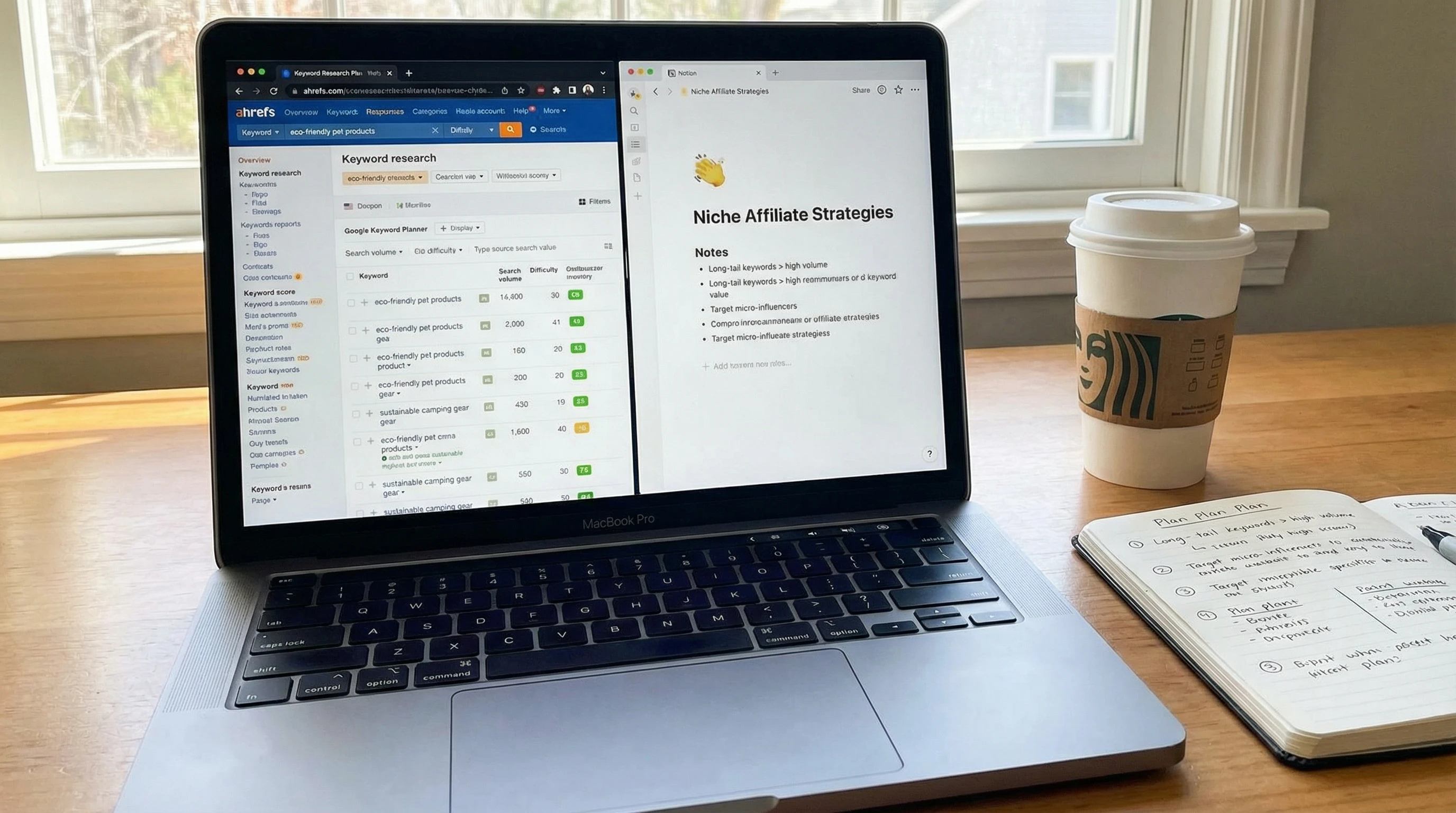
Why Keyword Research Matters for Niche Affiliate Bloggers
I have learned that the keywords I pick can make or break my success in the affiliate space.
For niche bloggers, itis not about getting tons of traffic. It is about bringing in the right kind of visitors who are ready to make a purchase or follow up on advice.
Focusing on super relevant, intent-rich keywords helps smaller affiliate sites compete, even against bigger brands, and unlocks the path to faster rankings and steady commissions without burning out trying to rank for massive topics.
Keyword research for affiliate blogs means figuring out what buyers in your niche actually want, then serving it up in a way that is both useful and monetizable.
This approach builds your authority, wins trust, and grows your audience without needing a giant budget.
Learn about Keywords and Keywords Research in any niche here!!!!!
What Makes Keyword Research Different for Affiliate Sites?
- Affiliate blogging relies on buyer-driven traffic. General traffic is not super useful if those readers do not convert. For affiliate sites, it is more effective to target keywords with real buying intent even if the search volume is lower.
- Different types of keywords serve different goals. Some keywords are purely informational, some are commercial, and a few are highly transactional. Affiliate bloggers usually get the best results from commercial investigation terms like “best X for Y” or “X vs Y.”
- High volume keywords often aren’t worth fighting for. Unless your site is already a big deal, those massive keywords attract a lot of competition and might not convert that well anyway. Choosing intent focused, lower volume terms helps you rank faster and get more out of your work.
- Intent comes first, not just raw numbers. It is tempting to go after the biggest, most obvious keywords. But if they do not actually match what your ideal reader is looking for, or if they are not ready to buy, they are not going to help you grow your affiliate business.
Understanding Search Intent with Affiliate Keywords
If I had to pick one thing that matters most, it’s nailing search intent.
If you understand what your target readers are really looking for, you’re halfway to success.
Informational Keywords
These are usually early stage queries (“how to start trail running”) where readers want to learn.
For affiliate sites, these can help you build trust and authority in your space, but don’t usually drive the highest commissions.
Commercial Investigation Keywords
This is where the gold is for niche affiliate blogs. Keywords like “best running shoes for flat feet,” “Yeti tumbler review,” or “alternatives to Blue Yeti mic” bring in readers who are already considering specific options.
These folks convert really well if you meet their needs, and it’s where I focus most of my keyword effort.
Transactional Keywords
Searches like “buy Nike ZoomX online” are very close to the point of purchase.
Sometimes, it can feel risky to target these unless you have a super strong domain, but they’re worth keeping on your radar for later when your site has more authority.
The Best Types of Keywords for Niche Affiliate Sites
- Longtail keywords: Groups of three or more words, like “best ultralight hiking tent under $200.” These attract targeted readers and are usually easier to rank for.
- Problem based keywords: “How to fix charger not working on iPhone 12.” These can show buying intent if the solution is a product you can recommend.
- Comparison and “vs” keywords: “AirPods Pro vs Bose QuietComfort.” These are hot because people are weighing options and are super close to a decision.
- Use case specific keywords: “Best laptops for writers with backlit keyboard.” Super targeted, and you can recommend products that meet the criteria.
- Beginner focused keywords with buyer potential: “Best beginner DSLR cameras” or “starter kit for home gardening.” These folks might not know much yet, but they are ready to spend for a safe bet.
Step by Step Keyword Research Process for Affiliate Bloggers
Start With Your Niche and Audience Problems
I always kick off by digging into my reader’s pain points.
What are they struggling with?
What do they wish existed?
These pain points can become a goldmine of keyword ideas; sometimes, it is as simple as turning actual questions from forums or social groups into blog post ideas.

Using Google Itself for Keyword Discovery
- Autocomplete: Start typing your main topic into Google. See what suggestions pop up. Those autofill suggestions are real searches.
- “People Also Ask”: These questions show up right on the first page of Google and can reveal intent rich subtopics or new content ideas.
- Related searches: Scroll to the bottom of the search results page; these suggestions are a window into what readers care about next.
Competitor Keyword Research (The Smart Way)
I like to scope out what similar blogs are ranking for, especially in the top few spots.
But I don’t just copy their keywords.
I check for topics they missed, content they could have covered more deeply, and gaps where readers might need better answers.
Sometimes I even check smaller sites since their topics may be easier wins for my own site.
Evaluating Keyword Competition for Affiliate Sites
- Domain authority matters: If all the top results for a keyword are massive brands, it’s going to be tough to outrank them right away. Tools like MozBar or Ahrefs can give you a quick idea of how powerful those top ranking sites are.
- Manually analyze the top 10 results: I like to actually look at the search results myself. Is the content high quality? Are there forums or weak content ranking in the top 10? That’s a green light to go for it.
- Signs a keyword is low competition: You spot Reddit threads, small businesses, or old low effort posts on page one. Those topics are great targets.
- When to skip a keyword: Even if a tool says a keyword is easy, sometimes Google’s results are packed with ecommerce giants, or the search intent is not a good fit for affiliate content. Those are ones I pass on, even if the numbers look attractive.
Keyword Research Tools for Affiliate Marketers
- Free vs paid keyword tools: Google Keyword Planner, Ubersuggest, and Answer the Public are pretty handy for starting out. Paid tools like Ahrefs , SEMrush and Jaxxy make deeper analysis a lot easier, especially for uncovering longtail opportunities and checking keyword difficulty.
- Focus on practical metrics: I pay most attention to search intent, the pattern of sites currently ranking, and how hard or easy it looks to break into those SERPs. Don’t get hung up on search volume if you see buying intent.
- Content quality, not just numbers: Always take time to gauge how well existing ranking content is serving the searcher. If you can do it better, go for it.
- Affiliate platforms with built in research tools: Beginner friendly affiliate platforms like Wealthy Affiliate often come with basic keyword tools (Jaxxy) and training wheels, which is pretty helpful if you’re just getting up to speed.
Mapping Keywords to Affiliate Content Types
- Blog posts vs reviews vs comparisons: Target general keywords like “home office setup tips” with broad posts, and use product focused searches for super practical reviews and comparisons.
- Matching keywords to your content purpose: Before writing, I decide if the keyword fits a review, a guide, or a comparison, and stick to that. This keeps articles focused and avoids overlap.
- Avoiding keyword cannibalization: I track which posts target which keywords so I don’t have multiple articles trying to rank for the same phrase. That way, each page has a clear shot at ranking.
- Building content clusters: I like to group multiple pieces of content around core keywords, linking them together so Google sees my site as an expert hub for that topic.
Using Keyword Research to Build Topical Authority
These days, Google takes expertise seriously, especially in niche markets.
I focus on building out pillar content that covers bread and butter topics in depth, then branch out with supporting posts around related keywords.
Over time, this internal linking boosts my whole site and locks in stronger rankings.
- Pillar content + supporting articles: Create one big post answering “best camping gear for beginners,” then write individual posts about tents, stoves, and so on, all linked together.
- Internal linking: I always link back and forth between related pages. This keeps readers on the site longer and helps Google see the relationships between your content.
- Updating old posts: As new keywords pop up, I update older articles, adding new sections or tweaking the copy to bring in fresh search traffic without starting from scratch.
Common Keyword Research Mistakes Affiliate Bloggers Make
- Chasing high volume numbers: It’s tempting, but the blogs that do best often skip the mega keywords and focus on more winnable, specific topics.
- Ignoring search intent: Writing content that doesn’t match what the searcher is hoping for wastes time and traffic.
- Overusing keyword tools: Not everything useful comes from a tool; sometimes you find better keyword ideas by searching in Google, browsing forums, or eavesdropping in niche Facebook groups.
- No monetization path: Great traffic is awesome, but if the keyword doesn’t have a natural fit for affiliate links, it might not be worth your energy.
- One off posts: I see a lot of abandoned blogs with scattered articles. Systematically building out clusters of posts helps SEO and gives your readers a roadmap to follow.
Turning Keywords Into Affiliate Revenue
- Writing content that matches real intent: This is what gets your readers to trust you and click your links. If someone’s searching for a solution, I answer that directly and offer legit recommendations.
- Placing affiliate links naturally: I drop in product links where they actually fit, usually after explaining why the solution matters or showing the product in use. I keep it organic; forced links do more harm than good.
- Trust driven content converts: Thorough, honest, and educational content helps me win repeat readers and boosts conversion rates naturally over time.
- Value focused education: Sometimes the big wins come from teaching, walking the reader through pros and cons or showing how to use the product. Readers remember that level of detail when making their purchase decisions.

How Structured Affiliate Training Supports Better Keyword Research
When I was getting started, a lot of my early mistakes came from just winging it.
Having a training structure or framework can really speed up your learning curve and avoid beginner traps:
- Training, frameworks, and support: It’s easier to find profitable keywords if you know where to look and have templates or checklists for guidance.
- Community feedback: Communities give you new ideas for keyword angles, let you check if your approach is on the right track, and help you keep up with trends in your niche.
- Affiliate ecosystems: Platforms like Wealthy Affiliate come with built in tools and training, so it’s worth checking for that kind of support if you’re just starting out.
Building a Long Term Keyword Strategy for Affiliate Success
- Keyword research never stops: New products, trends, and user questions pop up all the time. I keep a running list of fresh keyword ideas that I add to my editorial calendar.
- Defending your rankings: I regularly update top posts to keep them fresh. This keeps Google and readers coming back, and pushes competitors down in the SERPs.
- Expanding into related clusters: Once you own a cluster, I link out and branch into closely related subtopics to lock in my topical authority.
- Building a search driven affiliate asset: It’s not just about writing posts; it’s about building a site that holds value and grows over time based on smart keyword choices and steady effort.
Frequently Asked Questions
Here are some things newbie affiliate bloggers usually want to know about keyword research:
What keywords are best for affiliate marketing?
Answer: Look for longtail, buying intent keywords like “best portable grill for camping” or “project management tool reviews.”
Commercial and comparison keywords work really well for getting more qualified traffic.
How do niche bloggers find low competition keywords?
Answer: Use Google autocomplete, check “People Also Ask” questions, poke around forums, and manually review search results for signs of weak content or smaller sites ranking.
How many keywords should one affiliate post target?
Answer: I stick to one primary keyword with two or three very closely related secondary ones.
This keeps the article focused but broad enough to draw in relevant traffic.
Can beginners rank affiliate sites with SEO?
Answer: Absolutely.
It takes patience, smart targeting, and a bit of hustle, but plenty of beginners score great results by focusing on low competition, intent driven keywords.
Wrapping Up
Keyword research isn’t just about hunting down hot search terms.
It’s a process of really listening to your audience, understanding what they want to buy or learn, and then delivering value in every post you write.
Over time, this approach builds authority, drives revenue, and helps you grow a lasting affiliate site that works even while you sleep.
For anyone just starting out on this path, having the right research habits and a supportive community makes the adventure a whole lot smoother.
Curious about how to improve your keyword skills, or want to see proven affiliate training programs that help niche bloggers succeed?
Check out resources like Wealthy Affiliate and explore my guides on effective communication in affiliate marketing and how to turn blog readers into affiliate customers.
Growing your affiliate blog is a marathon, not a sprint, but every keyword you master takes you one step closer to real, sustainable success.