
New affiliates need a core set of tools for real results: a website platform, keyword research tools, solid content creation resources, SEO optimization tools, and an email marketing system.
With these, it is much easier to build your online presence, attract the right audience, and turn visitors into commissions.
Jumping into affiliate marketing without these tools can get confusing fast.
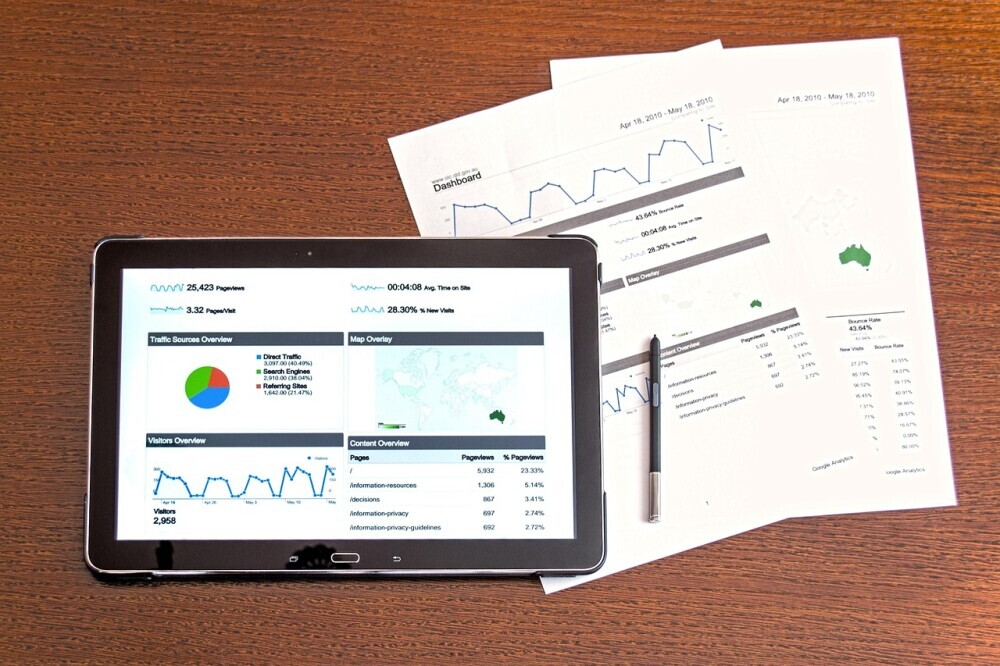
Many beginners stall out just by not having the basics.
The right tool-kit helps you skip a lot of headaches, stay organized, and move more quickly from idea to published content and, eventually, conversions.
I have pulled together what`s genuinely useful so even those without tech skills can get going with confidence.
Why Tools Are Important in Affiliate Marketing
Affiliate marketing sounds simple, but the moving parts can stack up fast.
Tools help simplify what would otherwise be way too time-consuming.
The more you use helpful tools, the more time you have for strategy and tweaking your approach.
Instead of always chasing down basics, you are building momentum faster.
- Simplifying complex processes: Tools take hard, confusing stuff and make it easier to manage.
- Automating tedious tasks: Scheduling posts, tracking links, and capturing leads can all be put on autopilot.
- Boosting productivity: You will save loads of time, freeing you up for better research and smarter promotion.
- Long-term growth: Using tools right from the beginning helps you scale faster without burning out.
The Core Categories of Affiliate Tools Every Beginner Needs
Here is a quick breakdown of the tool stacks that matter most for newcomers:
- Website and Hosting Tools
- Keyword Research Tools
- Content Creation Tools
- SEO Optimization Tools
- Email Marketing Tools
- Analytics and Tracking Tools
Each tool category does its part to help affiliates get in front of an audience and keep them coming back for more.
Website and Hosting Tools: Your Affiliate Hub
Without your own website, you are basically renting someone else’s land, so you have less control and limited room to grow.
A good website is the center of all your affiliate activity and becomes the place where you showcase valuable content, reviews, and comparisons that draw buyers in.
Choosing a Domain and Hosting
Pick a domain name that matches your niche and feels trustworthy.
For hosting, I suggest choosing a reputable provider with strong uptime, responsive support, and easy WordPress installs.
Managed WordPress hosts or options like SiteGround and Bluehost are good starting points for beginners.
Website Builders and CMS Platforms
If you are new to building sites, platforms like WordPress are super handy.
They offer lots of flexibility and tons of plugins, and you get to own your content fully.
Other drag-and-drop website builders can work too, but be on the lookout for ones that do not give you full control over your site’s files and data.
Owning Your Platform
Building your own platform means you are in charge of design, branding, and how you promote affiliate offers.
You do not have to follow rules set by third-party services or social media, so your business is more secure long-term.
Keyword Research Tools: Finding Opportunities
Keyword research makes sure you are focusing on topics people actually care about, so you are not wasting time making content that never gets seen.
Knowing what your audience is searching for is the first step toward organic traffic.
Why Keyword Research is Super Important
Without solid keyword research, you might be spending hours on content that does not bring in traffic.
The right tools help you target the words and questions that buyers type into Google every day.
- Finding low competition keywords: New affiliates would not rank for massive keywords overnight. It is smarter to start with easy wins and move forward step by step.
- Understanding search intent: Focus on what people actually want when they search, whether it is to buy, learn, or compare.
Tools worth checking out: Google Keyword Planner, Ubersuggest, Ahrefs (free accounts are available), and Answer The Public for questionbased content ideas.
For deeper research, SEMrush is also widely used.
Content Creation Tools: Building Valuable Content
Your content is what convinces people to trust your advice and take action.
Good content creation tools make it easier to write, edit, and polish what you publish.

Writing Tools and Editors
I find Grammarly and Hemingway Editor super useful for catching typos and making my writing more readable.
Google Docs is great for collaborative projects or drafting content that needs feedback.
For quick note-taking and organizing ideas, Notepad and Evernote also shine.
AI-Assisted Content Tools
AI tools like ChatGPT, Jasper, or Writesonic can help brainstorm outlines, generate drafts, or rephrase content faster.
Just be sure to look over AI content before hitting publish; quality and originality really matter to both Google and readers.
Content Planning Tools
Trello and Notion are excellent for keeping track of idea lists, outlines, and publishing calendars.
They can help you stick to a posting schedule and avoid running out of fresh topics.
Why High-Quality Content Drives Results
Search engines reward useful, high-quality content.
The better your content, the more likely people are to read it, share it, and click on your affiliate recommendations.
Good content also builds up your reputation in your niche and keeps readers coming back for more.
SEO Tools: Driving Organic Traffic
SEO tools help your site get spotted by search engines and climb those search results.
There is a lot to SEO, but the right tools make it much less intimidating, especially when you are just starting out.
- Onpage SEO optimization: Tools like Yoast SEO for WordPress walk you through optimizing titles, meta descriptions, and keyword usage on each post.
- Technical SEO basics: Google Search Console shows you what Google sees on your site and flags errors that could hurt rankings. Screaming Frog (free version) is helpful for crawling your site and finding broken links.
- Improving rankings: Monitoring your keyword positions with tools like SERP Robot or Ahrefs gives you clues on what is working and what needs a tweak.
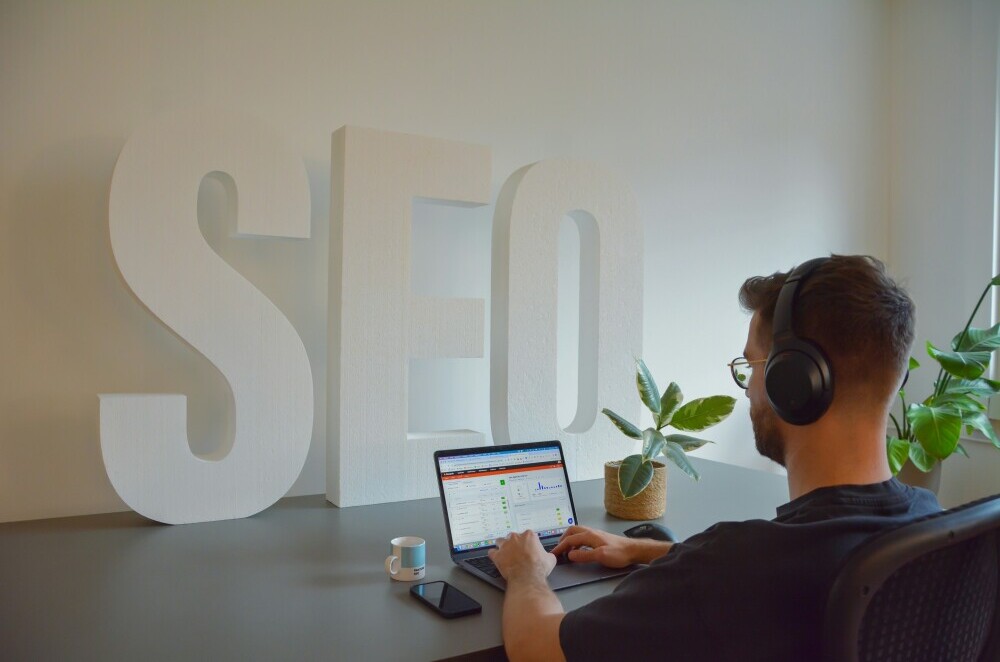
SEO delivers more sustainable, longterm traffic than almost any other strategy.
Using these tools from the start can provide a serious advantage over your competition.
Email Marketing Tools: Building Long-Term Relationships
Email marketing lets you talk directly to people who are already interested in your niche.
Unlike social media, you actually own your list.
Even with simple tools, you can collect emails, send out updates, and recommend products that fit your subscriber`s needs.
Capturing Leads and Sending Newsletters
Mailchimp and ConvertKit are good choices when starting out; both offer free tiers for beginners.
Setting up opt-in forms and simple automations means you can start growing your audience right away.
For more advanced segmentation, ActiveCampaign can come in handy as your list grows.
Nurturing Audience Trust
Consistent, valuepacked emails help readers see you as a reliable resource.
With segmenting and custom sequences, you can send offers that feel personal and boost conversions over time.
Analytics and Tracking Tools: Measuring Performance
If you cannot track what is working, you are just guessing.
Analytics and tracking tools show you what is bringing in traffic, which affiliate offers convert, and where your site could use improvement.
- Tracking traffic sources: Google Analytics is a must for seeing where visitors come from and what pages they like most.
- Monitoring conversions: Most affiliate programs let you see basic stats, and specialized tools like Pretty Links or ThirstyAffiliates help you manage and cloak your affiliate links for deeper analysis.
- Understanding user behavior: Hotjar and Microsoft Clarity create heatmaps so you can see how people actually move around your site.
Regularly checking analytics gives you a clearer picture of what is working best and what you can improve.
Taking time to review your data even once a month can help you change course before you waste too much effort.
How to Choose the Right Tools as a Beginner Affiliate
It is tempting to try every shiny new tool, but there is such a thing as too much tech.
I suggest sticking to the basics until you know what you really need; that way, you will stay focused and make steady progress without overwhelm.
- Start with tools for website setup, keyword research, and email list building.
- Free versions often work great until your site starts making money.
- Pick tools that match your learning style and business goals—not just what is trending among other marketers.
- Add or upgrade tools only after you grow and see exactly where they fit into your workflow.
Common Mistakes New Affiliates Make With Tools
These are mistakes I see time and time again, along with how to side step them:
- Using too many tools at once: Having a bunch of apps or software is not useful if you cannot master the basics.
- Focusing on tools instead of strategy: Tools are just helpers, but without a roadmap, it is tough to make real progress.
- Ignoring learning resources: Many people skip tool tutorials or guides and miss cool features they are already paying for.
- Not using tools consistently: Sticking to a workflow keeps your site moving forward and avoids forgotten subscriptions or a cluttered dashboard.
Why Tools Alone Does not Bring Affiliate Success
All the tools in the world will not help if you are not actually putting in the work.
Strategy, knowing your audience, and creating regular, helpful content matter more than having the fanciest software.
Becoming a better writer and marketer pays off bigger than just upgrading your toolkit.
Combining smart tool use with constant learning and an audience-first approach is crucial for growth.
Your skills help you get more value out of the same set of tools, while experience will show you what works—and what does not—for your niche.
All-in-one Platforms for New Affiliates
One thing I have found extra helpful for beginners is using a platform that puts the essentials in one place.
Piecing together hosting, keyword research, and email platforms can get overwhelming, and it is easy to lose track or waste money.
All-in-one affiliate platforms (like Wealthy Affiliate) usually offer a website builder, keyword tool, training guides, and a community.
This set-up makes life easier and less stressful since you will not have to juggle ten different accounts or interfaces.
Having everything under one roof means you are more likely to stick with it, ask questions, and get better feedback from others going through the same adventure.
Plus, single-login platforms reduce the startup learning curve for those new to digital marketing.

Building a Strong Foundation for LongTerm Affiliate Success
Getting into affiliate marketing is not about chasing shortcuts—it is really about putting the right systems in place, building good habits, and sharpening your skills over time.
Here is what can help you set up a solid foundation:
- Create simple, repeatable workflows for publishing and promotion
- Set a schedule you can actually follow for regular content (weekly or monthly)
- Invest in learning—read blog posts, join forums, and keep experimenting
- Analyze your results and tweak your strategies based on data
- Add new tools to your stack only as your business grows (and keep it manageable)
I have seen that affiliates who put in consistent effort every week see much better results than those who just hop from one new tool to the next.
It is about building for the long haul, not searching for instant hacks.
Frequently Asked Questions
Here are a few questions I often get from new affiliates when talking about toolkits and resources:
What tools do affiliate marketers need?
A basic toolkit includes website hosting, a content management system, keyword research software, a dependable email tool, and basic analytics like Google Analytics. Start here before considering extras.
Can beginners start affiliate marketing without tools?
It’s possible, but you’ll move much more slowly and miss out on the main perks like SEO visibility and building a list. Even just having a simple website and a keyword tool will give your efforts a real boost.
What is the most important tool for affiliate marketing?
Your website and content creation process come first. Without them, it’s tough to get good traffic or build trust with your audience.
Are free tools enough for affiliate marketing?
You can start with free tools in most cases and still see real progress. As your site grows, paid versions with more functions might make sense, but nearly every niche can get results on a shoestring budget to begin with.
Final Thoughts: Start Simple and Grow Smarter
Affiliate tools help you get more done and move faster, but they matter most when you use them as part of a smart, focused plan.
Start with the basics, get comfortable, and only add new tools as your confidence and website traffic grow.
I highly recommend checking out structured online learning or community-based platforms; you can find others in the same boat, avoid common mistakes, and speed up your progress.
For more super detailed walkthroughs on becoming an effective affiliate marketer or for keyword research advice, check out the related guides here:
- How to become an effective affiliate marketer
- Keyword research techniques for affiliate sites
- What is affiliate marketing and how does it work
- Using AI tools for affiliate marketing
If you are serious about getting started with affiliate marketing, the fastest way to avoid confusion and costly mistakes is to follow a proven system instead of figuring everything out alone.
👉 You can start learning affiliate marketing step by step here (free to join)!!!
It walks you through everything—from choosing a niche and building your website to getting traffic and earning your first commissions.
You don’t need to be an expert—you just need the right guidance and consistency.
Here’s a little transparency: Our website contains affiliate links. This means if you click and make a purchase, we may receive a small commission. Don’t worry, there’s no extra cost to you. It’s a simple way you can support our mission to bring you quality content.”