
Search engine optimization (SEO) is like that secret sauce that can spice up your affiliate marketing game.
For anyone diving into affiliate marketing, the blend of visibility, credibility, and conversions that SEO offers is golden.
Imagine being placed right in the spotlight because search engines think you’re the star worth showing. That’s what SEO does.
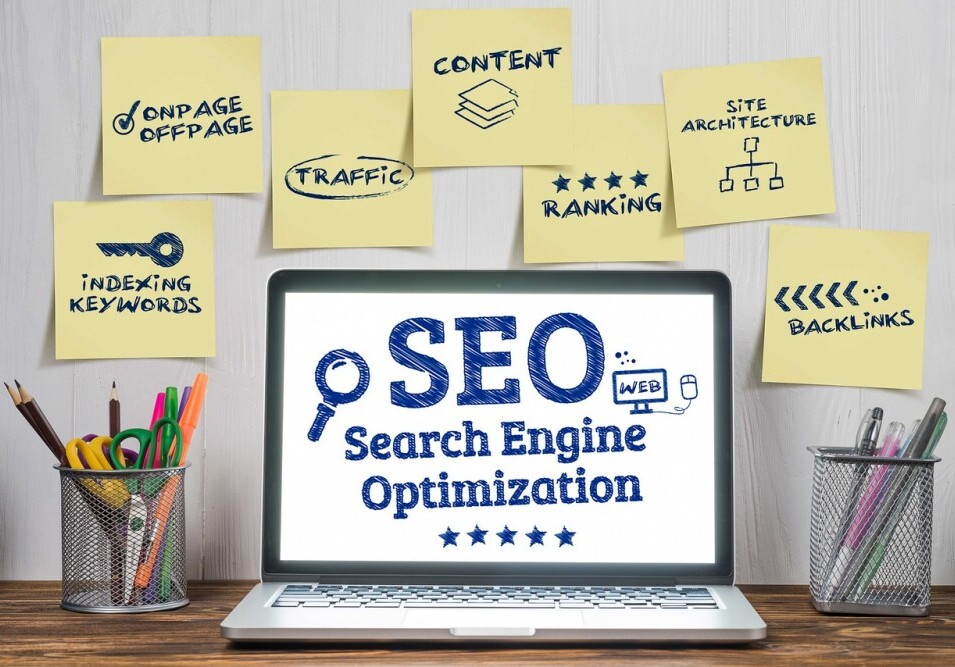
So, what’s the big deal with SEO in this space? For starters, it propels your visibility on search result pages.
The higher up you appear, the better your chances of catching those eyeballs scrolling through Google, ready to click and maybe even buy the products you’re promoting. Increased click-through rates (CTR) are just the beginning.
Think of SEO as your marketing backstage pass that gets you in front of folks who are actively searching for solutions that your affiliate products offer.
This targeted audience is key—they’re already interested, which means they’re more likely to convert, making your efforts much more rewarding.
And let’s talk money—SEO isn’t about burning a hole in your pocket. While investing in tools or hiring writers helps, a lot of SEO magic can happen with some savvy tweaks and patience on your part. It’s about smart spending, not big spending.
SEO also plays well with others. Organic traffic through search engines can strengthen other strategies, like feeding more subscribers into your email marketing campaigns.
A busy site is attractive—folks trust it more, search engines notice, and before you know it, your authority in the niche climbs.
In short, by embedding SEO into your affiliate marketing, you’re setting yourself up for a win-win—you get the traffic you need, and your audience finds the solutions they’re searching for.
Setting the Foundation: WordPress Sites and SEO
Setting up SEO on a WordPress site is like having the perfect toolbox at your disposal.
The platform makes it a breeze to lay down the SEO groundwork with its many plugins and features tailored for optimization.
WordPress is known for its user-friendly nature. With its vast array of plugins, even those new to the game can start optimizing with zero fuss.
There’s a variety of plugins available like Yoast SEO, Rank Math, and All in One SEO Pack, each offering different benefits to suit your needs.

Having the right tools can make a noticeable difference. With these plugins, you can easily manage your titles, meta descriptions, and even create XML sitemaps to boost your visibility on search engines.
Plugins for image optimization, like Smush, can help keep your site running fast while maintaining quality visuals—crucial for keeping traffic happy.
But don’t just stop with plugins. Consider your theme choice, too. Not all themes are created equal when it comes to SEO.
Opt for themes that are responsive and regularly updated, which ensures your site doesn’t just look good but performs well, too
. That way, you’re future-proofing your setup and staying on top of changes in the search algorithm.
Don’t underestimate the power of customization in WordPress settings. Adjusting permalinks for cleaner URLs, monitoring site performance, and regularly updating your content all play a part in enhancing your site’s SEO potential.
These tweaks may seem small, but they pack a punch when it comes to search engine visibility.
In summary, WordPress offers the perfect starting point for affiliate marketers to embrace SEO effectively. With the right plugins and attention to detail, you’re laying a solid foundation that’s capable of supporting your marketing goals.
Learn how to set up effective WordPress site here
Key SEO Strategies for Boosting Affiliate Marketing
Getting your SEO game on point can propel your affiliate marketing to the next level.
First off, don’t underestimate the power of a solid domain name. It should instantly give folks an idea of what you’re about.
Keeping it niche-relevant not only enhances brand recognition but makes you look like a pro right off the bat.
Visibility is another crucial aspect. So, double-check that your site’s not hiding from search engines.
It seems basic, but sometimes websites accidentally block search engines with a simple misstep in their settings. You want your site saying, come on in! to search engine crawlers.

Then, there’s the art of keyword targeting. It’s all about matching your content to what folks are actually typing into search bars.
Consider the intent behind those searches. Are they looking for info, a specific product, or maybe want to buy something? Tapping into this can turn casual browsers into committed shoppers.
What’s the content without a little value? Want to keep people coming back? Offer them something worth their time—content that’s informative and engaging.
When you address real pain points, you’re not just promoting a product; you’re building a relationship and showing authoritative value.
Thinking ahead can save you from headaches later.
Organizing your keywords, understanding your audience’s search intent, and crafting content that speaks to their interests will position you as a trusted resource. That’s the kind of SEO that keeps on giving.
Refining Content: Metadata and Link-Building Techniques
Metadata might sound a bit techy, but it’s essentially about sending the right signals.
When search engines look at your metadata—titles, descriptions, and headers—they’re deciding how to display your content in search results.
Crafting these elements with care can improve click-through rates by making your listings more enticing to users.

Imagine you’ve got a great piece of content. You want folks to notice it, right? That’s where link-building comes into play.
By reaching out and getting other reputable sites to link back to your content, you’re giving Google and co. a green light to consider you as a trustworthy source. It’s about creating a web of connections that boosts your credibility.
Outreach link-building is like sparking conversations with fellow bloggers or site owners in your niche.
Pitch your content as a valuable resource and you might just land those coveted backlinks. It’s not about quantity; look for quality connections that genuinely fit your content’s theme.
There’s also the unsung hero—schema markup. These bits of code can seem invisible, but they add context to your site’s pages.
By explaining your content to search engines in a structured way, you improve the chances of earning rich snippets in search results—making your listing stand out even more.
Supercharging your SEO with schema markup could make all the difference.
Bottom line? Metadata and link-building aren’t just extra steps—they’re strategic moves in making sure your content not only reaches its audience but resonates in the world of search.
Maintaining Relevance: Content Freshness and Performance
Keeping your content fresh isn’t just a to-do—it’s a necessity. Search engines love updated content, and users do too.
Regularly refreshing your posts not only makes them more relevant but also signals to search engines that your site is active and timely. It’s like giving your site a dose of caffeine to keep it energized and engaging.
Performance matters, plain and simple. A sluggish site can turn users away faster than you’d think.
Optimizing your site’s performance includes everything from checking page load times to ensuring it works smoothly on mobiles.
A site that’s quick to load and easy to navigate keeps visitors around and coming back for more.
Let’s talk tools. Use platforms like Google Analytics to monitor your content’s performance. Insights gained here can reveal what’s working and what needs tweaking.

Keep an eye on bounce rates, session durations, and which pages are pulling the most weight. This data helps you craft more of what your audience loves and less of what they don’t.
Lastly, make mobile compatibility top priority. With more folks browsing on their phones, ensuring your site looks good and works well on all screens can’t be ignored.
Responsive design isn’t just a buzzword; it’s how you ensure every visitor gets the optimal experience, regardless of their device.
Stay on top of these aspects, and you’re golden. By continuously engaging with your content’s relevancy and performance, you’re setting your website up for long-term success in the affiliate marketing world.
Avoiding Pitfalls: Common SEO Mistakes in Affiliate Marketing
Steering clear of common SEO blunders can save you some serious headache down the line.
One biggie?
Keyword stuffing. While keywords are your friend, overusing them can make your content look spammy and turn off both search engines and visitors. Keep the flow natural and let those keywords weave in organically.
Establishing authority in your niche is another crucial factor. Without it, you’re just another voice in the wind.
Focus on delivering content that showcases your expertise and adds value, so your audience sees you as a go-to resource. That trust plays a huge role in ranking and conversions.
Let’s chat about review listicles. Sure, they’re popular, but if you’re producing low-value ones just to fill content quotas, you might be doing more harm than good.
Aim for depth over quantity. Providing thorough, honest reviews establishes credibility and keeps your audience coming back for more insights.
Each of these missteps can derail your SEO efforts, but with some vigilance and strategic thinking, they’re all avoidable.
Put the focus on creating genuine, valuable content that meets the needs of your audience, and you’ll be on the right track.
Affiliate Marketing SEO FAQs and Best Practices
SEO might seem like a maze, but it can feel a lot more navigable with a few common questions addressed.
A big question often is, how does SEO actually give affiliate marketing that much-needed boost?
Well, think of SEO as your ultimate traffic driver that funnels ready-to-engage visitors to your site. It’s not just about more visitors; it’s about the right ones, those who are likelier to check out what you’re offering.
Choosing the right tools can be overwhelming with so many out there. Some favorites among marketers include SEMrush for keyword research, Google Search Console for tracking performance, and Ahrefs for those crucial links.
Picking a reliable arsenal of tools helps you understand the landscape and adjust your strategies accordingly.
And then there’s the waiting game. SEO isn’t an overnight fix. Most ask how long it’ll take before seeing some real movement in traffic.
Truth is, it varies. On average, giving it a solid few months to start seeing steady growth is a good rule of thumb.
Patience pays here, so keep refining your approach as you watch your stats climb.
On top of that, implementing these insights into your strategy gives you the chance to keep refining and evolving your efforts.
It’s about continuous improvement, not just one-time tweaks.
Remember, SEO is your long game in the affiliate marketing world. Stay informed, keep testing out new strategies, and keep adapting to what works best for your audience, and you’ll be setting up a path for success.
RE YOU READY!!!!!!!
Ready to start building a profitable affiliate marketing business? Join Wealthy Affiliate today and learn the skills you need to incorporate SEO In Affiliate Marketing Content that drive sales and generate income.

With Wealthy Affiliate, you’ll get access to top-notch training, tools, and support to help you succeed in the world of affiliate marketing.
Sign up now through my link and start building your affiliate marketing business today!
This website contains affiliate links. If you purchase after clicking one of these links, I may earn a small commission at no additional cost to you.
Integrating SEO into affiliate marketing content has been one of the most effective strategies I’ve used to build steady, long-term traffic. When I first started, I focused mainly on writing persuasive copy, but without proper keyword targeting, the content simply didn’t rank. Once I began researching keywords with buyer intent and structuring my articles around those terms, everything changed. Traffic grew consistently, and my affiliate conversions followed. I’ve also found that keeping content updated and optimizing meta descriptions helps maintain rankings over time. For anyone serious about affiliate marketing, understanding SEO isn’t optional, it’s essential for lasting visibility and results.
Hi Slavisa,
Thank you so much for sharing your insights.
I love how you’ve highlighted the importance of integrating SEO with affiliate marketing content—it’s truly a game-changer.
Your experience really resonates with me, and I agree that while persuasive copy is crucial, without the right keyword targeting, it can be difficult for content to gain traction.
The shift you made to focusing on keywords with buyer intent and structuring your content around those terms sounds like it made a huge difference in both traffic and conversions.
It’s great to hear that keeping your content updated and optimizing meta descriptions has helped you maintain your rankings as well. It’s such a smart strategy for long-term success.
Thanks again for sharing your journey and emphasizing the importance of SEO—it’s definitely essential for anyone serious about affiliate marketing.
Your comment adds so much value to the conversation, and I’m sure other readers will find it really helpful!
Best regards,
Raymond.